

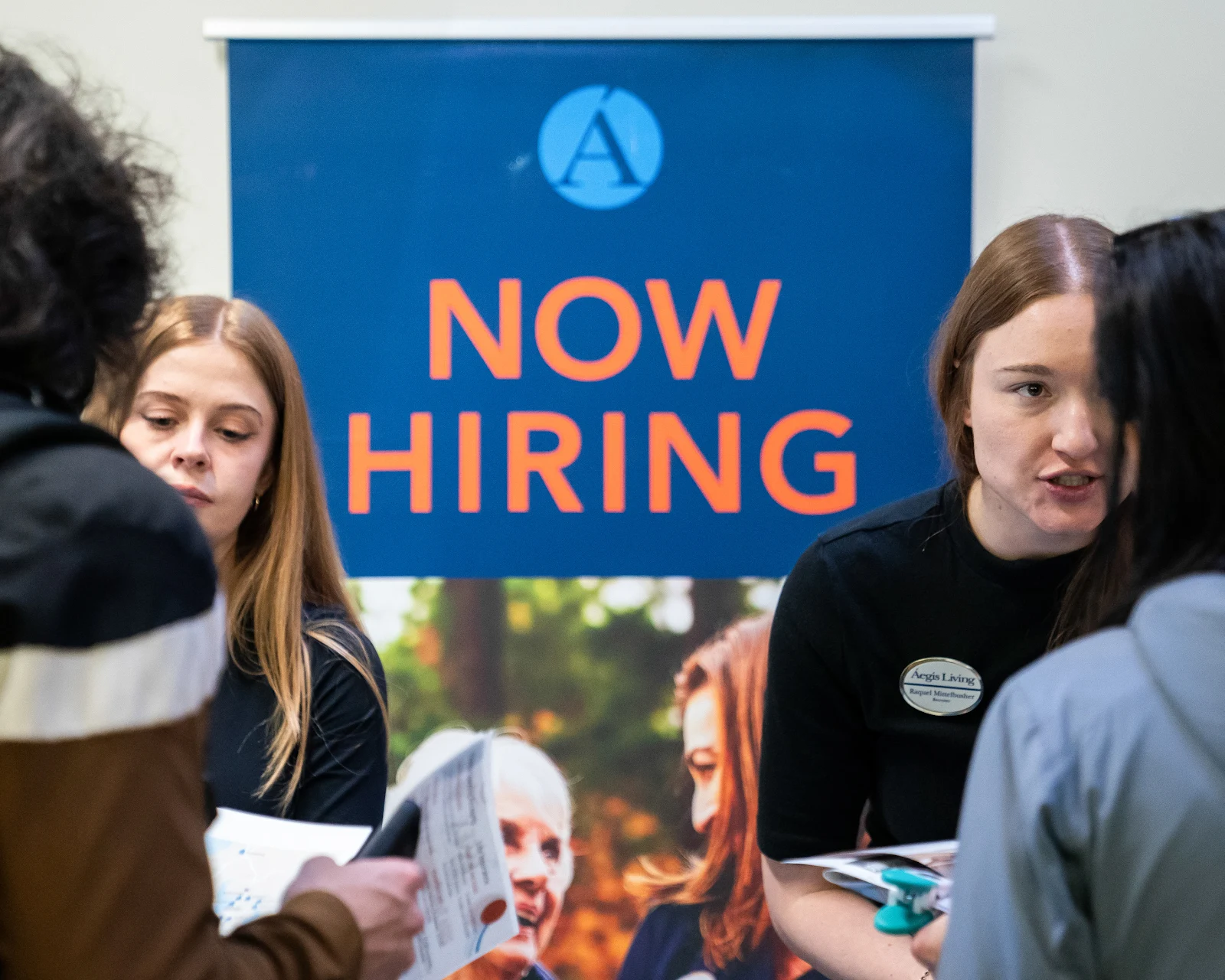
The US labor market has experienced a significant setback, with 92,000 jobs lost in February, according to recent data. This unexpected decline came just before Donald Trump's conflict with Iran, which has thrown the global economy into upheaval. The unemployment rate has edged up to 4.4% in February, with the US adding a revised 126,000 jobs in January, surpassing expectations of 70,000 jobs.
In comparison to January 2025, the US added far fewer jobs, with economists predicting an increase of 60,000 jobs added in February and a steady unemployment rate of 4.3%. The report also revised down job figures from December and January, with December's figures going down by 65,000, from 48,000 job gains to 17,000 losses, as reported by The Guardian. January saw a much smaller drop, revised down by 4,000 jobs, from 130,000 to 126,000.
January's job report also included revisions that brought down the total number of jobs added to the economy in 2025 to 181,000 jobs – the weakest year of job growth since Covid and a substantial decrease from the 2m jobs added to the US economy in 2024. The job growth in 2025 was concentrated in the first half of the year, with the US economy losing 45,000 jobs from July to December 2025, according to data from the Center for Economic and Policy Research.
Job Losses Across Sectors
The job losses were broadly based, with healthcare jobs seeing a huge swing down in February, going from 77,000 new jobs in January to 28,000 losses in February. Physician offices lost 37,000 jobs primarily due to strike activity. The information sector, which includes media and telecommunications, and transportation and warehousing trended down 11,000 each.
Federal government employment also continued to decline, dropping 10,000 last month. After reaching a peak in October 2024, federal government employment is down 11%, or 330,000 workers. While the unemployment rate has remained stable, the Black unemployment rate has remained high, jumping from 6.2% in January 2025 to 8.2% in November, before decreasing to 7.7% in February.
In comparison, the White unemployment rate has remained steady and below the national average at 3.7%. As Heather Long, chief economist at Navy Federal Credit Union, noted, "The job market is struggling in the face of so many headwinds. Companies are cautious to hire and some industries are doing layoffs. The February jobs report was dismal with heavy job losses, even in healthcare, and a rise in the unemployment rate."
Expert Analysis
Long also pointed out that the US economy has essentially added no jobs since last April, when Trump announced his slate of tariffs. "Almost every major sector of the economy has been shedding jobs. Even healthcare, the one bright spot had a weak February, though that is attributed to strike activity," she said. The data from the Bureau of Labor Statistics released on Friday is solely focused on jobs in February, and does not capture the global shock waves caused by the US-Israel conflict with Iran.
The new jobs data will be influential in shaping the US Federal Reserve's upcoming meeting over interest rates on 17 and 18 March. It's unclear where Fed officials will land on interest rates, though some seem cautious about making any changes. Ahead of the meeting, Beth M Hammack, president of the Federal Reserve Bank of Cleveland, called for an extended pause of interest rates amid concerns about inflation, even though Trump has been pushing to lower them.
